
Published September 1, 2026
Fall Home Maintenance Checklist

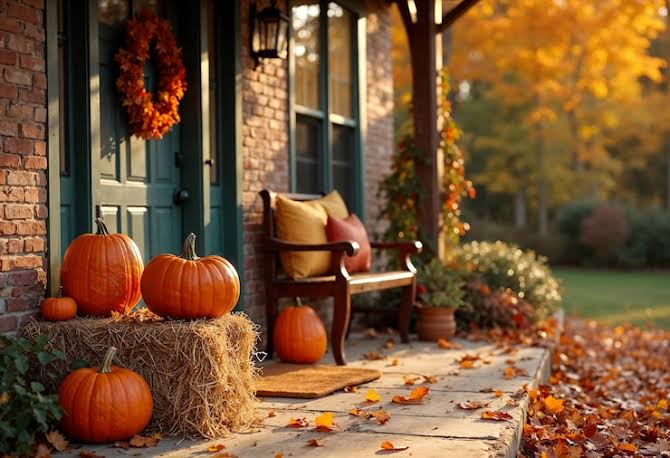
Fall Home Checklist: Prepare Your Property for a Comfortable, Protected Season
As temperatures begin to drop and leaves start to fall, a little seasonal maintenance can help protect your home, reduce energy costs, and prevent costly repairs. Whether you plan to stay for years or prepare to sell in the future, completing a fall home checklist is a smart investment in your property.
1. Clean and Inspect the Gutters
Remove leaves, twigs, and debris from gutters and downspouts. Clogged gutters can cause water to overflow, potentially damaging your roof, siding, foundation, and landscaping.
After cleaning, confirm that:
- Gutters are securely attached
- Downspouts direct water several feet away from the foundation
- No sections are sagging or leaking
- Water flows freely through the system
If your home is surrounded by mature trees, plan to check the gutters again later in the season.
2. Schedule a Heating System Inspection
Before relying on your furnace or heat pump, have it inspected and serviced by a qualified professional. A seasonal tune-up can improve efficiency and help identify potential problems before they become emergency repairs.
Replace your HVAC filter and check that all vents are open and unobstructed. If you use a fireplace or wood stove, have the chimney professionally inspected and cleaned as needed.
3. Seal Drafts Around Doors and Windows
Small gaps around windows and doors can allow warm air to escape and cold air to enter. Inspect weatherstripping, caulking, and door sweeps for signs of wear.
Pay particular attention to:
- Window frames
- Exterior doors
- Garage entry doors
- Areas around pipes and utility lines
- Attic hatches and basement windows
Sealing these areas can make your home more comfortable and may help lower heating costs.
4. Inspect the Roof and Attic
Look for missing, cracked, or damaged shingles, as well as worn flashing around chimneys, vents, and skylights. If you are uncomfortable inspecting the roof yourself, hire a professional.
In the attic, check for:
- Signs of water intrusion
- Adequate insulation
- Proper ventilation
- Pest activity
- Mold or mildew
Addressing roof and attic concerns before winter weather arrives can help prevent more extensive damage.
5. Protect Outdoor Plumbing
Disconnect and store garden hoses, then shut off exterior water lines if possible. Drain outdoor faucets to reduce the risk of frozen pipes.
If your home has an irrigation system, schedule a professional winterization if recommended for your area. Insulate exposed pipes in unheated garages, crawl spaces, and basements.
6. Check Smoke and Carbon Monoxide Detectors
Test every smoke and carbon monoxide detector in the home. Replace batteries at least twice a year or whenever the detector indicates low power.
For added safety:
- Confirm that detectors are installed on every level
- Place carbon monoxide detectors near sleeping areas
- Replace outdated units according to the manufacturer’s recommendations
- Make sure everyone in the household knows the fire escape plan
Fall is also a good time to review your emergency supplies and check flashlight batteries.
7. Prepare the Yard and Landscaping
Clear leaves from walkways, patios, and areas near the foundation. Trim branches that are close to the roof, siding, or power lines, and remove dead or unstable limbs that could become hazardous during storms.
Continue watering trees and shrubs until the ground freezes, when appropriate. Healthy landscaping can better withstand winter conditions and enhance your home’s curb appeal.
8. Review Your Home Insurance
Fall is a good time to review your homeowners insurance policy and confirm that your coverage still reflects your property and belongings. Document major improvements, update your home inventory, and ask your insurance provider about any recommended seasonal precautions.
9. Improve Energy Efficiency
Before cold weather arrives, consider simple upgrades that can improve comfort and efficiency, such as:
- Installing a programmable or smart thermostat
- Adding insulation where needed
- Replacing old bulbs with LED lighting
- Cleaning ceiling fans and reversing their direction
- Servicing older appliances
- Checking for air leaks around ductwork
These improvements may also be attractive selling points if you decide to place your home on the market.
10. Make a Maintenance Record
Keep receipts, inspection reports, warranties, and notes about completed repairs in one location. A well-organized maintenance record can make future upkeep easier and provide valuable information to prospective buyers when it is time to sell.
A Well-Maintained Home Is a Valuable Home
Completing seasonal maintenance protects your home, improves everyday comfort, and helps preserve its long-term value. If you are considering buying or selling a home this fall, a local real estate professional can help you understand how maintenance, updates, and seasonal presentation may affect your real estate goals.

Chris Suarez
Operator & Real Estate Agent | PDX Property Group | Keller Williams Sunset Corridor
or another way